
The Cognitive Miser in Your Brain
Psych 🧠 - 506/1000
Hey reader 👋
Ever find yourself choosing the same brand, skimming a long email, or endorsing a claim because it felt easier than digging in?
There is a quiet budgeter in your head that prefers small mental expenditures, and once you notice it, you can decide when to let it save you time and when to make it step aside.
What is it?
Cognitive Miser Theory is a simple mental model: people avoid unnecessary cognitive effort. Instead of solving every problem from first principles, we use shortcuts, rules of thumb, and defaults to get by quickly.
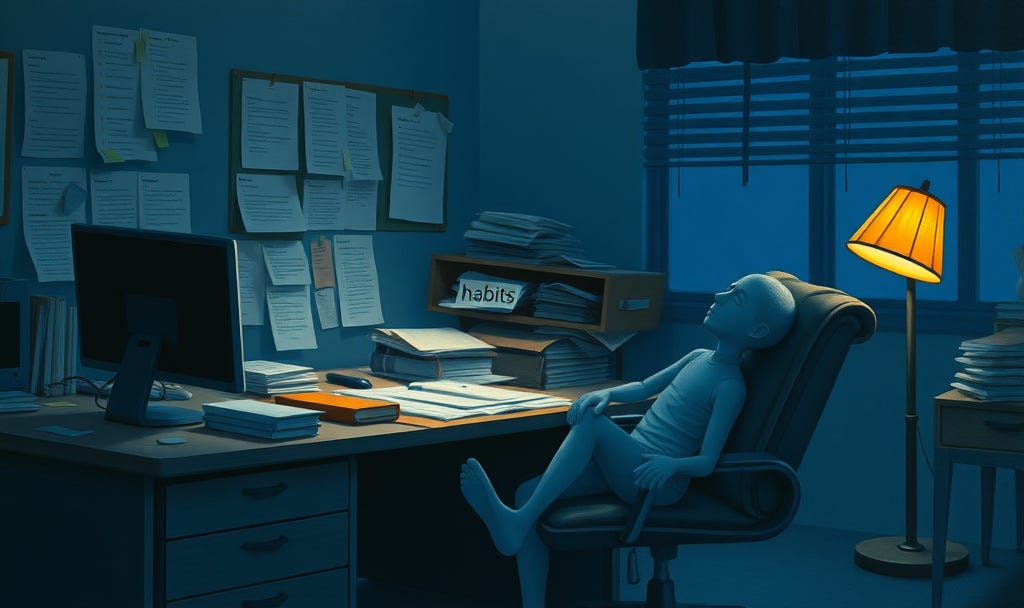
The idea comes from cognitive and social psychology and explains a lot of everyday behavior without fancy experimental detail.
In practice it means our brains allocate effort like a budget. Low stakes or time pressure push us toward cheaper mental operations. High stakes, accountability, training, or clear incentives push us to spend more effort. This matters because shortcuts are efficient, but they also open the door to predictable biases and mistakes.
Key Findings:
People favor heuristics and satisficing over exhaustive analysis in most routine decisions.
Time pressure, cognitive load, tiredness, or distraction increase reliance on shortcuts.
Defaults and framing strongly steer behavior because most people accept the easiest option.
Motivation, feedback, and accountability increase cognitive effort and reduce shortcut-driven errors.
Training and salient, simple decision rules can replace harmful shortcuts with safer habits.
You might NEED this more than you think 👇
Talk to a therapist without overthinking it. Start with a simple first session.
What do I need to know:
Use shortcuts deliberately, not by default. Reserve fast thinking for low-cost choices.
Design your environment: reduce low-value choices and create good defaults. Example: unsubscribe or auto-filter to cut decision noise.
Introduce friction for important decisions: add a mandatory 24-hour wait, a checklist, or a brief justification step. That small cost nudges people to think more.
References:
N/A