
When Burnout Steals Joy: Understanding and Reversing Anhedonia
Psych 🧠 - 485/500
Hey reader 👋
Have you ever been so exhausted that even your favorite things feel flat?
That creeping emptiness is more than tiredness, and it can be shocking how quickly life loses its color.
Let us unpack why that happens and what you can actually do about it.
What is it?
Anhedonia means a reduced ability to feel pleasure. In the context of burnout, it shows up as interests fading, hobbies becoming chores, and rewards no longer motivating action.
Burnout itself is the chronic result of prolonged stress, often from work or caregiving, featuring exhaustion, cynicism, and reduced efficacy.
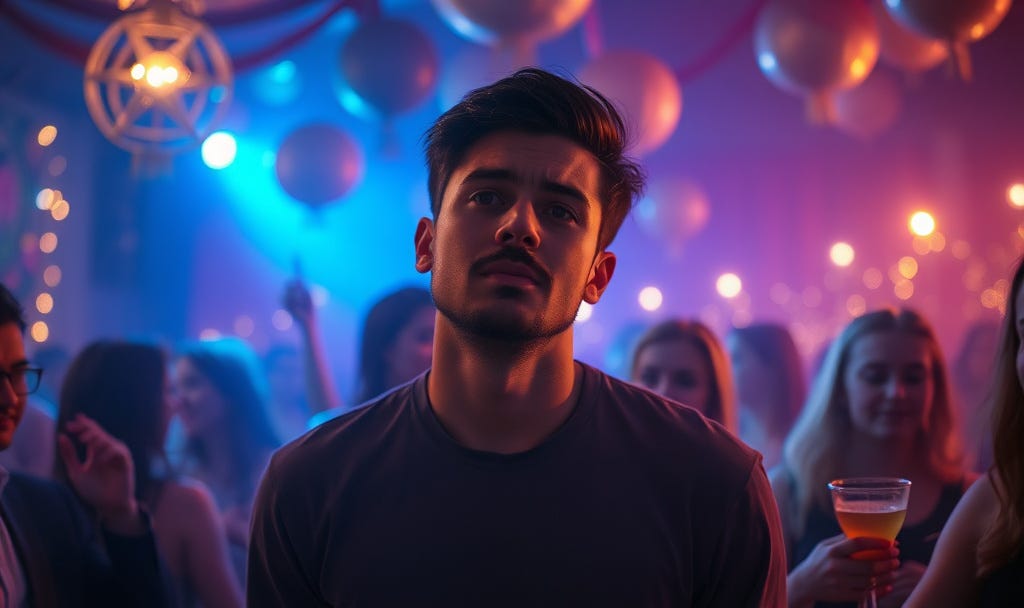
Put simply, burnout can hijack your brain’s reward system. Instead of a full clinical review, think of this as your motivational circuitry being put into low power mode.
The consequence is practical: you may rest and feel less tired, but still find joy missing. This matters because the usual advice to “take a break” is necessary but often not sufficient.
Key Findings:
Burnout often includes anhedonia, not just fatigue, so recovery needs both energy restoration and reward retraining.
Pleasure and motivation return slowly; abrupt expectations set people up for discouragement.
Behavioral activation, meaning small scheduled activities that used to bring pleasure, is one of the most practical tools to rebuild reward responses.
Social reconnection matters; shared activities tend to restore interest faster than solo efforts.
Sleep, movement, and light exposure support reward sensitivity; they are foundations, not quick fixes.
You NEED to check out this psychology handbook!👇
This Handbook explains 150+ biases & fallacies in simple language with emojis.
Or the Amazon Kindle copy from here.
What do I need to know:
Start with gentle structure. Schedule one tiny activity you used to like, even for 10 minutes, and treat it as homework, not an optional luxury.
Prioritize consistency over intensity. Repeated small positive experiences rebuild reward pathways better than rare big events.
Use social anchors. Invite one friend for a short walk or coffee. Shared low-pressure activities reduce the activation cost.
Reduce decision fatigue. Simplify choices around meals, clothing, and work flow so you can reserve willpower for pleasure-building.
Reframe success. Track participation, not enjoyment scores. Early sessions may register low pleasure while still being therapeutic.
Combine sleep hygiene and light. Aim for regular sleep timing and daylight exposure to support mood regulation.
Move a bit. Short, regular physical activity improves motivation and mood, even if it does not feel rewarding at first.
Watch for red flags. If anhedonia comes with persistent low mood, suicidal thoughts, severe functional decline, or substance misuse, contact a mental health professional promptly.
Related sources:
https://my.clevelandclinic.org/health/symptoms/25155-anhedonia
That part about burnout hijacking our reward system hit home. I’ve definitely felt like my hobbies turned into ‘meh’ chores, like I’m just going through the motions of life. So maybe the answer isn’t just a break, but a complete reboot of what makes us tick.